66 Dengta Road, Ducun Industrial Park, Jiaozhou, Qingdao 266327, China +86-13589274659 megall@megall.com.cn
Follow Us -
News

Why does Finished Tissue win trust from real buyers?

2025-11-28

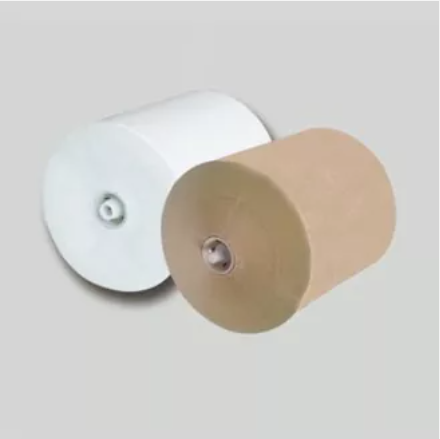
In day-to-day sourcing, I care more about how the roll performs in a kitchen, a restroom, or a hotel room. That’s exactly where Finished Tissue either proves itself—or doesn’t. Over the past few years I’ve compared dozens of suppliers and eventually chose to work closely with Megall because the team consistently hits the quiet details: stable ply-bond, clean cut edges, and cartons that arrive dry and square. I’ll share how I evaluate options, what specs actually matter, and why a well-made Finished Tissue product reduces claims while lifting repeat orders.

Finished Tissue

What problems do buyers really face when choosing Finished Tissue?

  • Softness vs strength trade-off that leaves sheets either limp or scratchy.
  • Linting and dust on dark surfaces after wiping, causing complaints.
  • Core collapse and oval rolls from poor winding or transit humidity.
  • Inconsistent sheet count and roll diameter that break planograms.
  • Odor carry-over from storage or packaging inks in hot weather.
  • Private-label changes that shift feel without notice, risking returns.

When I shortlist suppliers, I ask how their Finished Tissue manages moisture profile across the web, how embossing depth is controlled, and what acceptance sampling catches off-spec rolls before they leave the mill.

How do I check Finished Tissue quality without a lab?

  • Hand feel ladder:line up three benchmarks—value, mid, premium—then blind-compare the target roll for softness and cushion.
  • Wet-tensile quick check:mist a folded sheet, twist lightly; layers shouldn’t shred immediately.
  • Absorbency drop test:same-size drops on equal squares; time to full uptake tells the truth.
  • Lint rub:ten circular rubs on a black tile; count visible fibers.
  • Edge and perforation:tear along the perf; look for burrs and angel-hair fibers.
  • Core integrity:press both thumbs; a good core springs back, a weak one ovals.

These simple checks quickly separate marketing claims from actual Finished Tissue performance.

Where does Megall really move the needle for Finished Tissue?

  • Balanced fiber recipe to hit softness targets without sacrificing wet strength.
  • Consistent embossing registration so ply-bond feels even across the sheet.
  • Tight humidity control and packaging that resist transit moisture swings.
  • Cartonization that protects roll geometry and keeps SKU dimensions stable.
  • Clear spec locks for private label so upgrades don’t surprise your shoppers.

In practice, that means fewer claim calls and a steadier review profile for any Finished Tissue line I take to market.

Which specifications should I lock before placing orders?

Parameter Household Range AFH / Away-From-Home Range What I Confirm
Ply and Emboss 2–3 ply, micro or deco emboss 1–2 ply, simple micro emboss Emboss pattern name and depth tolerance
Basis Weight (gsm per ply) 12–18 gsm 10–16 gsm Target + tolerance per ply, not just total
Sheet Size 100–130 mm width × 95–120 mm length Per regional norm Exact cut size and perf length
Sheet Count / Roll Ø 130–300 sheets / 105–125 mm 300–1000 sheets / per dispenser Count tolerance and max diameter
Core ID / OD 38–45 mm ID Per dispenser spec ID, wall thickness, crush test
Brightness / Color High white or natural White or natural ΔE tolerance across lots
Packing 4/6/8/12 packs, PE or paper wrap Bulk cartons Wrap type, carton drop resistance
Certifications FSC / ISO hygiene FSC / ISO hygiene Certificate scope and validity dates

How do I balance softness, strength, and cost in Finished Tissue?

  • Softness:increase cushion via emboss + ply count rather than only heavier gsm.
  • Strength:tune wet-strength resin within food-contact rules; keep sheet feel pleasant.
  • Cost:optimize sheet count and roll Ø to protect shelf presence while managing fiber use.
  • Consistency:lock moisture targets so the same Finished Tissue feel repeats every lot.

What logistics choices keep Finished Tissue supply predictable?

  • Set safety-stock windows aligned to vessel schedules and peak seasons.
  • Use humidity-resistant outer wraps and desiccant for monsoon lanes.
  • Adopt AQL sampling on arrival and hold release until pass results post.
  • Plan dual-mill fallback for your top-volume Finished Tissue SKUs.

Can sustainable options still feel premium for Finished Tissue?

  • Blend certified fiber while protecting hand feel with smarter emboss and ply design.
  • Choose low-odor inks and recyclable wraps to avoid scent complaints.
  • Publish clear claims; buyers reward honesty more than buzzwords.

Done right, your Finished Tissue line remains soft, strong, and credible—without greenwashing.

What results did I see after switching suppliers?

  • Complaint rate dropped as lint and oval-roll issues stabilized.
  • Shelf resets ran smoother because diameter and count stayed on spec.
  • Repeat orders climbed once shoppers felt the upgrade without price shock.

That’s the practical upside of pairing disciplined specs with a partner like Megall for your Finished Tissue program.

Would you like samples or a fast quote today?

If you’re ready to verify softness, strength, and consistency with your own hands, send your target specs and volume. I’ll arrange benchmark comparisons, ship sample packs, and return pricing that matches your lane and carton plan. For next steps, please leave an inquiry or contact us—tell me your ply, sheet count, roll size, and preferred emboss, and I’ll come back with options that make your Finished Tissue line easy to choose and easier to keep in stock.

Related News
X
We use cookies to offer you a better browsing experience, analyze site traffic and personalize content. By using this site, you agree to our use of cookies. Privacy Policy
Reject Accept